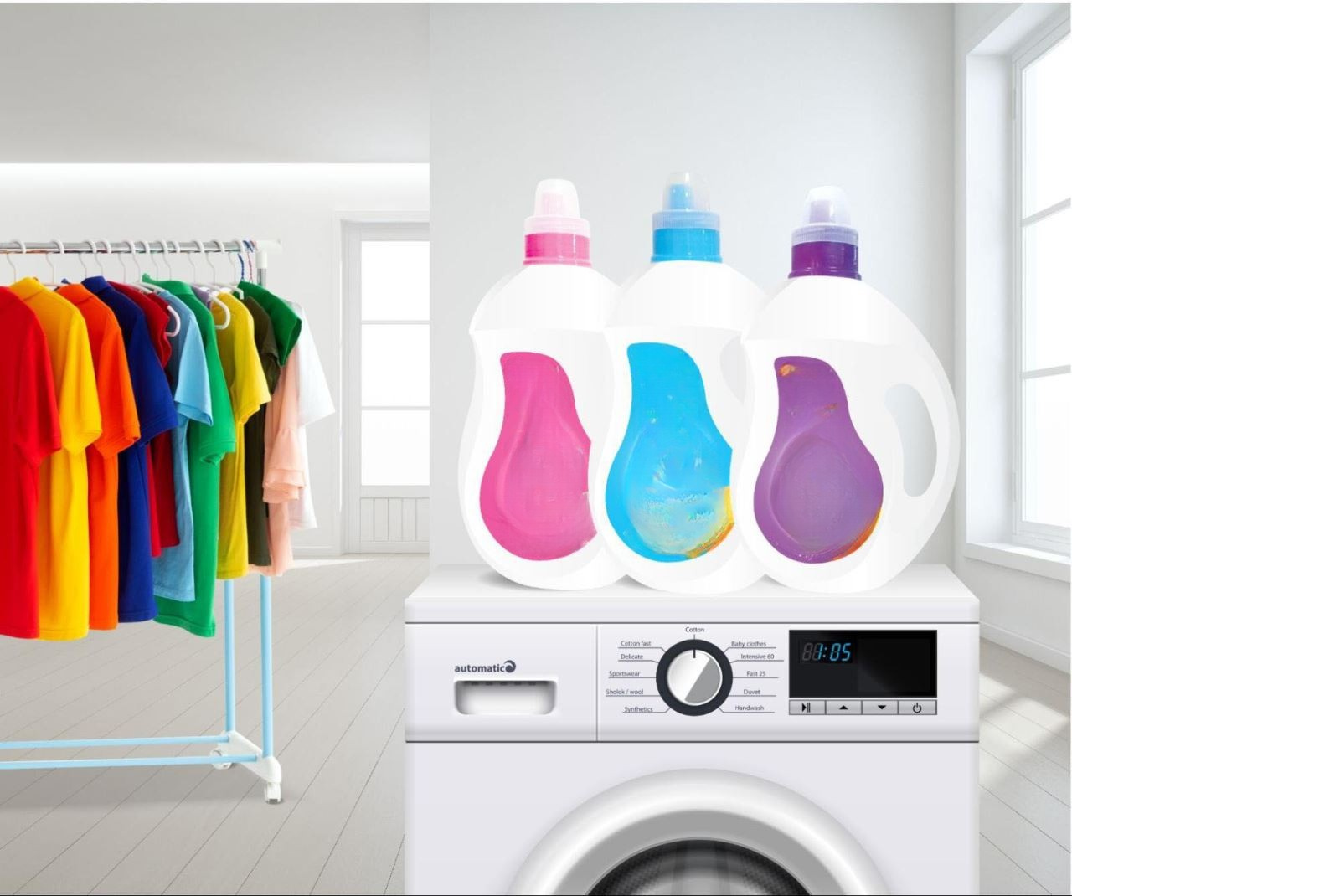
In daily life, clothing serves as our first layer of protection, which makes it easy to pick up all kinds of stains—oil, coffee, ink, pen marks, lipstick, mold, and even red wine. Many stains can be removed quickly with regular detergent, but some stubborn, deeply embedded stains may take much more effort. Understanding the correct way to treat each type of stain helps your clothes stay clean, vibrant, and long-lasting. Below is a guide to 10 effective stain-removal tips every household should save.
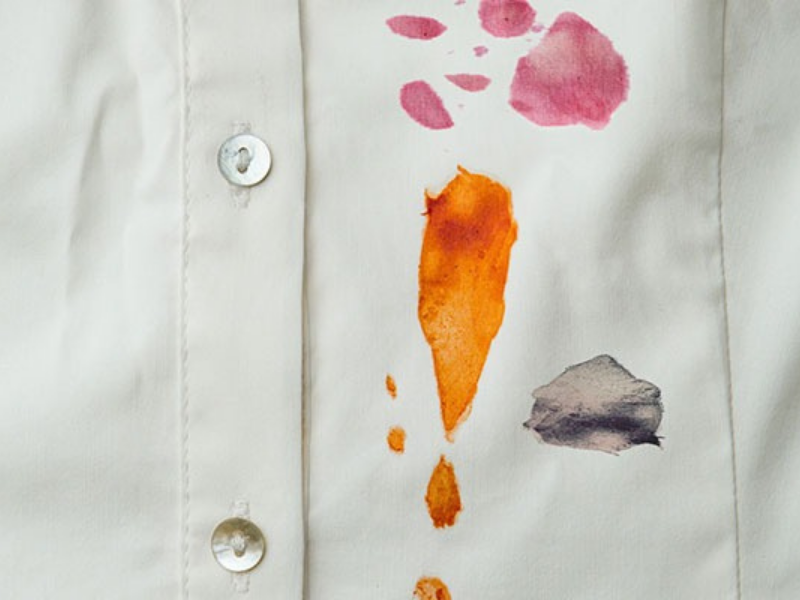
1. Removing Oil and Grease Stains – The Most Common Clothing Enemy
Oil from food, frying, or simply touching your clothes with oily hands can leave visible marks. These stains cling quickly and penetrate deeply into fabric fibers.

Effective method for stubborn oil stains:
-
Blot excess grease with a tissue.
-
Sprinkle talcum powder or flour to absorb the oil for a few minutes.
-
Apply a small amount of dishwashing liquid and gently rub.
-
Rinse with warm water to remove completely.
For deeper cleaning, wash again with Carefor Ultra 6in1, which is highly effective at removing grease while keeping fabrics soft.
2. Removing Coffee Stains – Act Quickly Before It Sets
Coffee is very common in Vietnam and contains strong pigments. If not treated immediately, it dries into a stubborn brown stain.
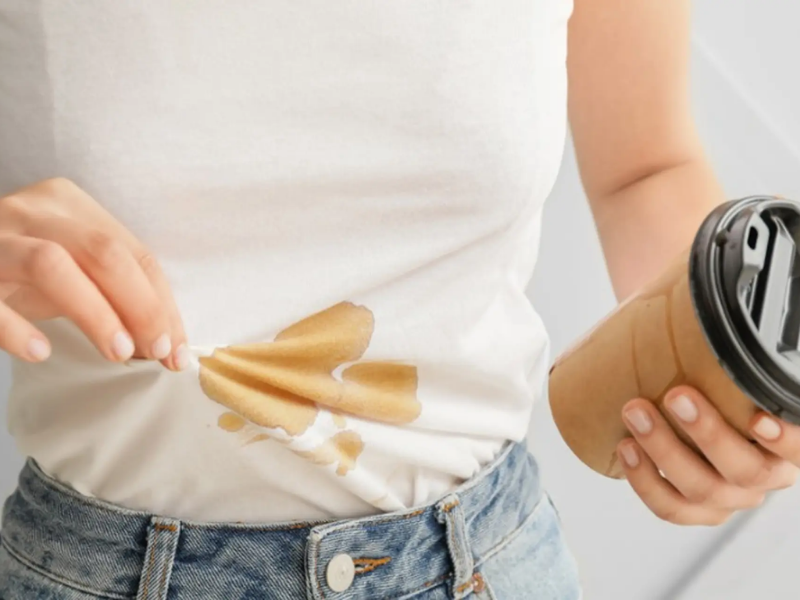
How to remove coffee stains:
For children’s clothing or sensitive skin, use a mild detergent such as Carefor Light, made with 100% plant-based ingredients for gentle, irritation-free cleaning.
3. Removing Ink Pen Stains – Avoid Rubbing Too Soon
Ink from ballpoint or gel pens tends to spread if rubbed immediately.
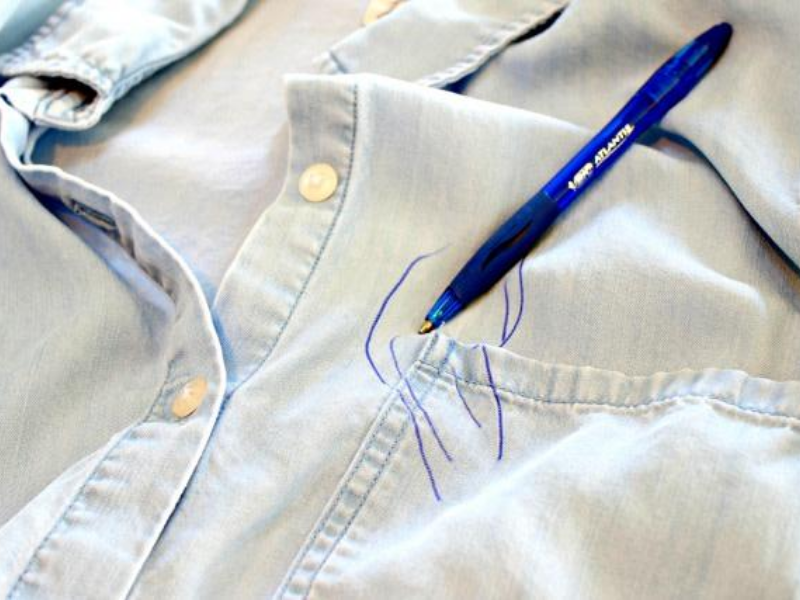
Correct method:
-
Apply 70% alcohol or hairspray directly onto the stain.
-
Let it dissolve for a few minutes.
-
Wash with a suitable detergent.
Avoid using hot water—it can cause ink to penetrate deeper into fabric fibers.
4. Removing Lipstick Stains – Prioritize Oil-Soluble Cleaners
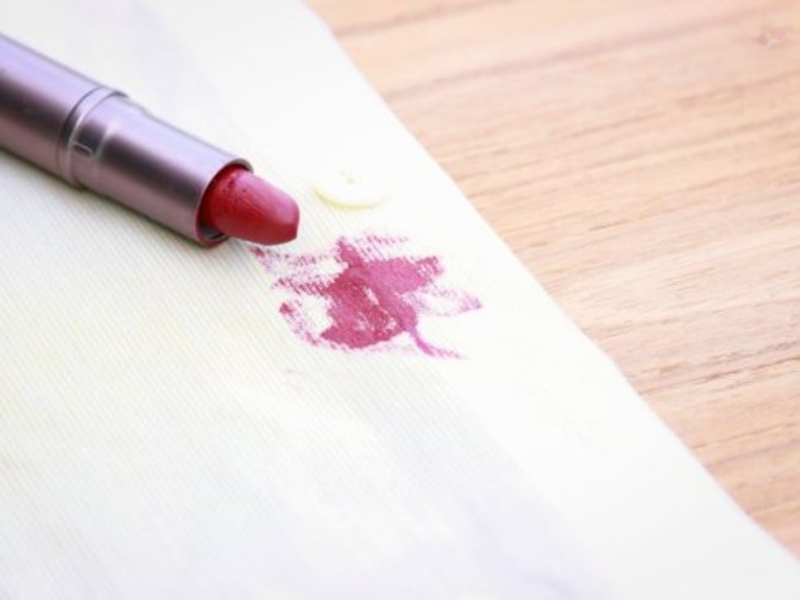
Lipstick contains oils and strong pigments, so you’ll need a cleaner that can dissolve oil.
How to treat lipstick stains:
-
Use cleansing oil (not micellar water or balm), mild shampoo, or glycerin.
-
Blot gently—avoid harsh rubbing.
-
Rinse with warm water.
For lingerie or delicate fabrics, use Carefor Lady, specially formulated to clean and sanitize underwear while maintaining softness.
5. Removing Blood Stains – Rule No. 1: Avoid Hot Water
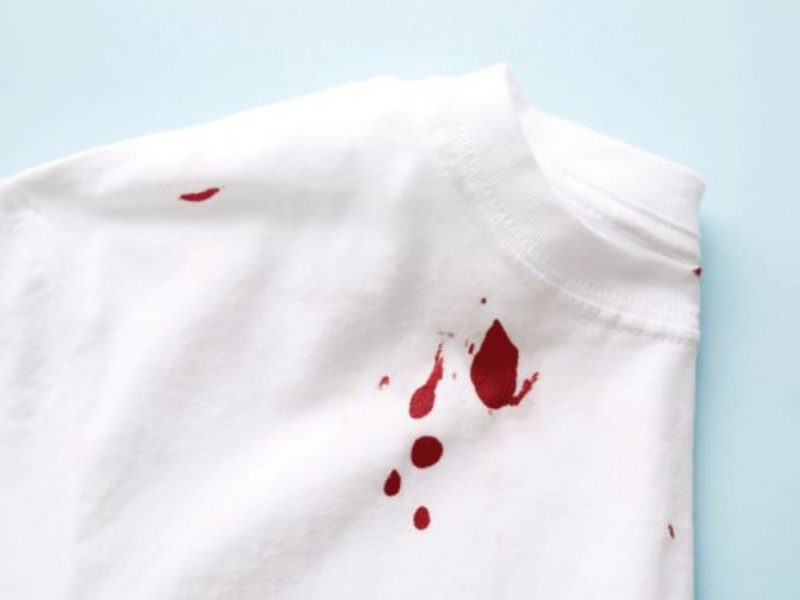
Whether fresh or dried, blood contains protein. Hot water causes protein to coagulate and cling tightly to fabric.
Correct method:
-
Soak clothing in cold water for 15 minutes.
-
Dab the stain with hydrogen peroxide.
-
Wash gently with detergent.
For fresh blood stains, cold water and salt are often enough.
6. Removing Mud Stains – Let It Dry First
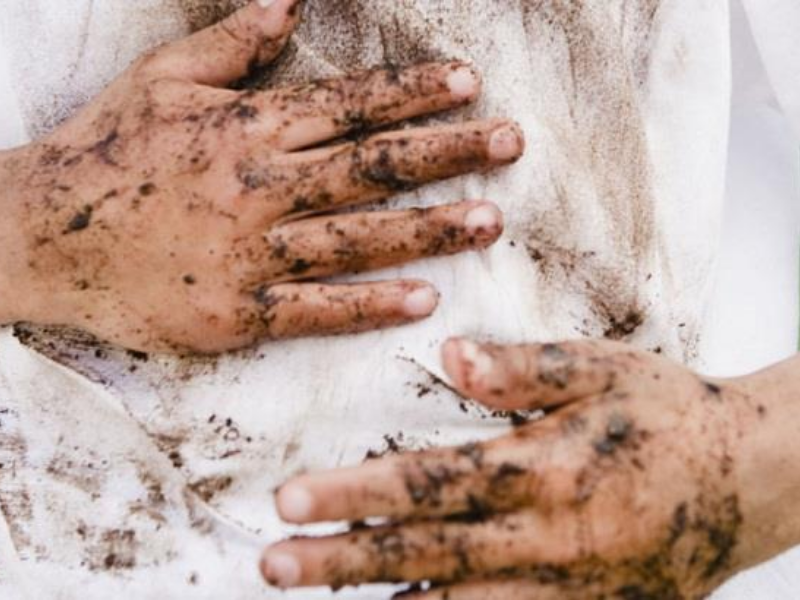
Many people wash mud immediately, but wet mud spreads and embeds deeper into fabric.
Correct method:
-
Let the mud dry completely.
-
Brush off the dried mud with a soft brush.
-
Soak in diluted soapy water.
-
Wash with detergent.
If machine-washing, choose Carefor Matic, which uses multi-layer washing technology to remove deep stains without damaging fabric fibers. Its anti-foam formula also protects your washing machine.
7. Removing Mold Stains from Damp or Poorly Ventilated Clothes
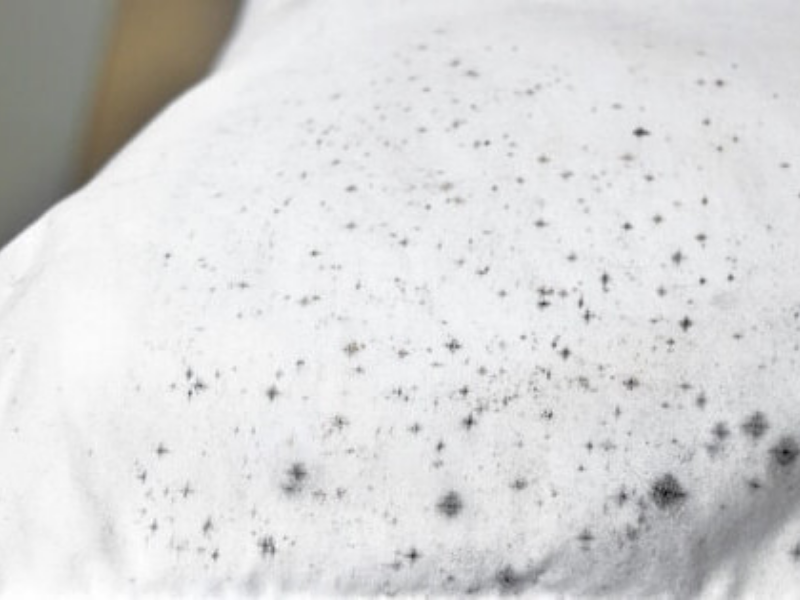
Clothes left too long in the wardrobe or dried improperly may show white, green, or black mildew spots.
How to treat mold stains:
-
Rinse the clothes with hot water (if the fabric allows).
-
Soak in white vinegar for 20–30 minutes.
-
Wash and dry under direct sunlight to kill mold spores.
To eliminate vinegar smell and ensure skin safety, rewash with Carefor Light, which uses silver nano technology to kill 99.9% of bacteria.
8. Removing Soy Sauce Stains – Strong Pigments but Manageable

Like coffee, soy sauce has dark, persistent pigments—especially noticeable on white fabrics.
How to treat soy sauce stains:
-
Soak the stained area in warm water mixed with vinegar.
-
Apply concentrated detergent directly on the stain.
-
Gently rub and rinse clean.
Check areas like collars and hems—these spots stain easily during meals.
9. Removing Candle Wax Stains – Avoid Rubbing While Soft
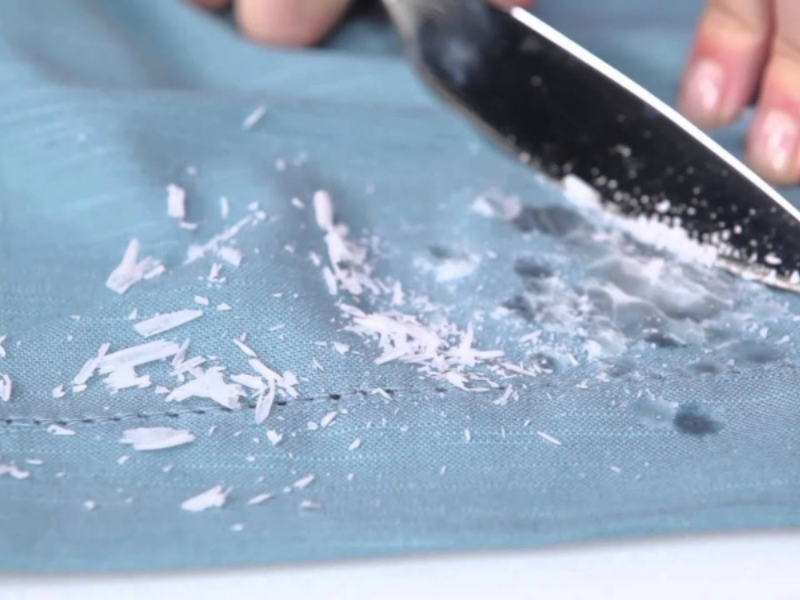
Candle wax from decorative or burning candles can leave tough marks.
Correct method:
-
Let the wax dry completely.
-
Scrape gently with a blunt knife.
-
Place tissue paper over the stain and iron.
-
The melted wax will transfer to the tissue.
-
Wash with detergent.
10. Removing Red Wine Stains – One of the Toughest Stains
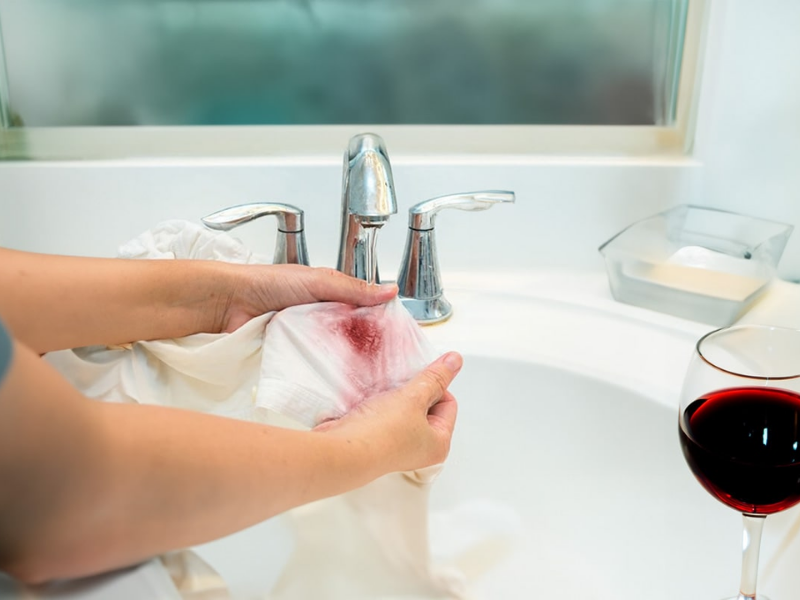
Red wine contains tannins, which adhere strongly to light-colored fabrics.
How to treat red wine stains:
-
Sprinkle salt over the stain to absorb pigments.
-
Pour boiling water from 20–30 cm above the fabric to break down the color.
-
Wash with detergent.
-
If traces remain, apply baking soda for another 20–30 minutes.
Important Notes to Protect Your Clothes
To maximize cleaning results:
-
Treat stains as soon as possible.
-
Avoid hot water for oil, blood, and protein-based stains.
-
Always test cleaning solutions on a hidden fabric area.
-
Choose detergent suitable for fabric type.
-
Prioritize safe, color-protecting products.
Recommended Laundry Products from THT Vietnam
Choosing the right detergent is crucial for fast stain removal while minimizing fabric damage. Based on household needs, here are THT’s most trusted products:
1. Carefor Ultra 6in1 – Comprehensive Solution for Stubborn Stains
Perfect for families who need strong cleaning daily. Its ultra-concentrated formula removes various stain types while combining wash and softener in one step.
2. Carefor Light – Gentle and Safe for Sensitive Skin
Ideal for children’s clothing and sensitive-skin users. Made with 100% plant-derived ingredients and silver nano technology to kill 99.9% of bacteria.
3. Carefor Matic – Optimized for Machine Washing
Designed specifically for washing machines. Multi-layer washing removes dirt trapped deep within fibers, while anti-foam technology protects machine components.
4. Carefor Lady – Specialized Care for Underwear
Underwear needs deeper cleaning and higher antibacterial care. Carefor Lady eliminates five common bacteria types, deodorizes effectively, and preserves fabric softness.
Conclusion
Removing stubborn stains isn’t difficult when you understand the nature of each stain and use the right techniques. Combining these stain-removal tips with the right detergent will keep your clothes clean, vibrant, and pleasantly scented. For more safe and effective laundry solutions from THT Vietnam, visit the THT Vietnam website to explore the full product range and choose the best options for your family.