Looking for a reliable OEM liquid detergent factory in Vietnam? Discover why the OEM model is the strategic choice for brand success. Explore the $10M infrastructure and advanced production lines at THT Vietnam Manufacturing that empower new brands to lead the market.
1. The strategic rise of the OEM liquid detergent factory in Vietnam
The global home care and chemical industry is currently undergoing a transformative era, and Southeast Asia has emerged as its most dynamic theater of growth. As consumer awareness regarding personal hygiene and specialized cleaning solutions increases, the demand for high-performance liquid detergents is skyrocketing. From eco-friendly laundry soaps to specialized industrial degreasers, the market is ripe with opportunity. However, for entrepreneurs and expanding businesses, the path from a product concept to a household name is fraught with logistical and financial obstacles.
In this competitive landscape, the most daunting hurdle is often the massive capital and technical expertise required for high-volume production. This is precisely why partnering with a professional OEM liquid detergent factory in Vietnam has become the ultimate strategic move for modern brands. Vietnam has rapidly evolved into a global manufacturing hub, offering a unique blend of skilled labor, advanced infrastructure, and highly competitive operational costs.
For a new brand, the decision to leverage an OEM liquid detergent factory in Vietnam means more than just outsourcing; it means gaining instant access to industrial-scale production without the crippling financial burden of building a facility from scratch. This article explores why this “asset-light” approach is the smartest choice for sustainable growth and how THT Vietnam Manufacturing serves as the pioneering benchmark in this thriving sector.
2. Market dynamics: Why Vietnam is the global hub for detergent OEM
To understand why you should look for an OEM liquid detergent factory in Vietnam, one must look at the macro-economic environment. Vietnam’s strategic location near major international shipping lanes makes it an ideal export base for the Asia-Pacific region and beyond. Furthermore, the Vietnamese government has invested heavily in modern industrial zones, such as those in Hưng Yên, providing manufacturers with the stability and infrastructure needed for high-tech chemical production.
For new brands, this environment provides a crucial “safety net.” By partnering with a factory that already navigates local regulations, environmental laws, and complex supply chain fluctuations, a brand can focus entirely on its core competency: building a deep connection with the consumer. The logistical advantages of an OEM liquid detergent factory in Vietnam ensure that products can be moved from the production line to domestic shelves or international ports with maximum efficiency and minimum cost.
3. What defines a world-class OEM liquid detergent factory in Vietnam?
An OEM (Original Equipment Manufacturer) factory does more than just mix chemicals; it acts as the industrial heart and the technical guardian of your brand. A top-tier OEM liquid detergent factory in Vietnam provides a comprehensive, turnkey solution that encompasses the entire lifecycle of a product.
This involves everything from the initial sourcing of high-purity surfactants and enzymes to the final high-speed automated packaging and quality verification. By utilizing an OEM liquid detergent factory in Vietnam, brands can redirect their focus toward marketing, sales strategy, and customer engagement. Meanwhile, the factory ensures that every bottle – be it laundry detergent, dishwashing liquid, or a complex floor cleaner – meets both international safety benchmarks and specific performance expectations.
4. Benefit 1: Drastic reduction in capital expenditure (CAPEX)
The primary reason why nearly 90% of new FMCG (Fast-Moving Consumer Goods) brands fail in their first two years is the “infrastructure trap.” Many founders believe they need to own the means of production to control quality. However, investing in land, construction, and chemical-grade machinery can exhaust a brand’s capital before it ever makes its first sale.
4.1. Bypassing the $10 million burden
To build a facility that matches the sophistication and scale of THT Vietnam Manufacturing requires a strategic investment of approximately $10 million USD. This includes specialized stainless steel reactors, clean-room environments, and automated filling lines. By choosing an established OEM liquid detergent factory in Vietnam, you bypass this massive financial barrier entirely. This allows you to enter the market with a product that has been manufactured in a world-class facility without needing the capital of a multinational corporation.
4.2. Asset-light growth and operational liquidity
New brands must remain “asset-light” to survive and thrive. Instead of tying up millions in a 20,000 m² campus, you pay only for the units you produce. This liquidity is vital; it allows you to scale up marketing campaigns, hire top-tier talent, or pivot your product line rapidly in response to consumer feedback. In the world of business, cash flow is the fuel for growth, and OEM manufacturing is the best way to protect it.
5. Benefit 2: Access to industrial-scale technology and R&D
Consistency is the hallmark of a professional brand. If the first bottle of detergent a customer buys is effective, but the second is thin or ineffective, the brand’s reputation is lost forever. Achieving that consistency requires industrial technology that small-scale or manual operations simply cannot provide.
A leading OEM liquid detergent factory in Vietnam offers critical technological advantages that ensure formula integrity:
5.1. Precision mixing and homogenization
At THT Vietnam Manufacturing, we utilize a sophisticated semi-automated mixing system. Liquid detergents are complex chemical emulsions; they require precise agitation speeds and temperature control to ensure that active ingredients like surfactants and enzymes are distributed perfectly. Our system ensures that whether it is a high-performance laundry liquid or a concentrated dishwashing gel, the formula remains perfectly homogenous and stable batch after batch.
5.2. Versatility in automated filling
Market demand varies significantly. Some consumers want small trial sachets (35ml), while industrial clients may need large 9L containers. A professional OEM liquid detergent factory in Vietnam must handle this diversity with ease. Our lines are capable of filling a wide range of capacities with high-speed accuracy. Automation reduces human error, ensuring that your customers always receive the exact volume and weight promised on the label.
6. Benefit 3: Speed-to-market (TTM) and operational agility
In the fast-paced FMCG sector, being first to market can define your success. Building a factory in Vietnam is a long-term project that involves complex environmental permits, fire safety certifications, and lengthy construction timelines, often spanning 18 to 24 months.
By partnering with a ready-to-operate OEM liquid detergent factory in Vietnam, a brand can drastically shorten its time-to-market. You can move from a formulation concept to a market-ready, shelf-stable product in just a few months. This operational agility is crucial for reacting to “micro-trends” – such as the sudden surge in demand for plant-based detergents or concentrated formulas – much faster than competitors who are still stuck in the construction or licensing phase.
7. THT Vietnam Manufacturing: The premier OEM liquid detergent factory in Vietnam
When domestic and international businesses look for a reliable OEM liquid detergent factory in Vietnam, THT Vietnam Manufacturing in Hưng Yên is the name that leads the conversation. We have built our reputation on three pillars: transparency, technical excellence, and the absolute success of our partners.
7.1. Strategic scale and infrastructure
Our facility represents a $10 million USD investment covering a sprawling 20,000 m² campus. This scale is not just for show; it allows us to offer a massive annual output of 50,000 tons. For our OEM partners, this scale provides “supply chain security” – the peace of mind that we can support their growth from their very first local sale to massive international distribution without ever hitting a production ceiling.
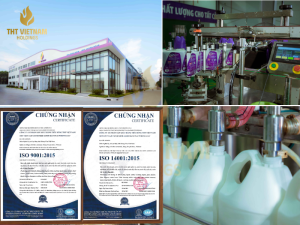
7.2. International standard compliance
Operating a modern OEM liquid detergent factory in Vietnam requires a deep commitment to safety and environmental stewardship. THT Vietnam Manufacturing is proud to maintain:
- ISO 9001:2015: The gold standard for global quality management.
- ISO 14001:2015: A guarantee that our chemical production processes are environmentally responsible and sustainable.
8. Technical pillars of our OEM services
A brand’s quality is only as good as the factory behind it. At our OEM liquid detergent factory in Vietnam, we have optimized four verified production pillars to ensure your brand’s success:
- High-efficiency mixing systems: Our mixing tanks are engineered for high-shear and high-speed agitation, essential for products requiring high uniformity and long-term stability.
- Automated filling and packaging: Every stage – from filling and capping to labeling – is fully automated to eliminate the variance and potential contamination associated with manual production.
- Advanced inspection and rejection: We employ a rigorous quality gate using optical sensors and electronic check-weighers. If a bottle is missing a cap or has an incorrect weight, the system rejects it automatically before it ever leaves the factory.
- Professional storage management: Our warehouse in Hưng Yên manages raw materials and finished goods under strict industrial safety standards, maintaining ideal temperature and humidity to preserve the quality of sensitive chemicals and fragrances.
9. Why “Made in Vietnam” is a strategic branding asset
In the current global economic climate, the “Made in Vietnam” label is no longer just about low cost; it is about quality, reliability, and resilience. Choosing an OEM liquid detergent factory in Vietnam offers several branding advantages:
- Logistical edge: With proximity to major deep-water ports, Vietnam is a gateway to global markets. Export-oriented brands can significantly reduce shipping lead times and costs.
- High-quality reputation: The international market increasingly recognizes Vietnamese chemical and cosmetic manufacturing as a high-compliance, high-quality alternative to other regional producers.
10. OEM vs. ODM: Which model suits your brand evolution?
A versatile OEM liquid detergent factory in Vietnam should offer flexibility in service models.
At THT Vietnam Manufacturing, we provide both:
- OEM (Original Equipment Manufacturing): Ideal for brands that already have a proprietary formula. We provide the industrial power and infrastructure to bring your formula to life at scale.
- ODM (Original Design Manufacturing): Perfect for brands starting from scratch. Our in-house R&D team works with you to develop a unique formula, conduct stability testing, handle regulatory filings, and design the packaging.
11. Conclusion: Partnering with the market leader
For new and growing brands, the smart choice is clear: Don’t build a factory – build a brand. The risks associated with chemical manufacturing are best handled by specialists. By outsourcing your production to a professional OEM liquid detergent factory in Vietnam, you mitigate your financial risk, ensure adherence to international quality standards, and gain the infinite scalability needed to dominate the market.
THT Vietnam Manufacturing invites you to visit our state-of-the-art facility in Hưng Yên. With our $10 million modern infrastructure, 20,000 m² facility, and 50,000-ton annual capacity, we are ready to be the silent, powerful engine behind your brand’s global success.
In the current landscape of the Vietnamese consumer goods industry, deep integration into regional and international supply chains has become a vital objective for forward-thinking enterprises. Exporting is no longer a domain reserved solely for multinational corporations; it has become a tangible reality for Vietnamese businesses that possess a long-term vision and robust internal strength.
THT Vietnam stands as a prominent example of this transition, having systematically built its export operations upon a foundation of manufacturing excellence. Instead of relying on commercial brokerage or third-party distribution, THT Vietnam’s strategy is built from the ground up, with THT Vietnam Manufacturing serving as the core engine driving its international reach.
An overview of THT Vietnam’s manufacturing-led export model
The fundamental difference in THT Vietnam’s approach lies in its refusal to depend on external outsourcing. The company’s export activities are developed in parallel with its domestic production strategy, ensuring a unified standard across all markets. This “proactive manufacturing” model allows the company to maintain absolute control over every variable – from secret formulas and ingredient quality to production schedules and final delivery.
Currently, THT Vietnam’s export structure is divided into two key pillars, both of which are serviced by THT Vietnam Manufacturing:
- OEM/ODM services: Manufacturing high-quality products based on the specific requirements and formulas of international partners.
- Proprietary brand exports: Bringing THT Vietnam’s own household brands, such as Carefor and its subsidiaries, to regional consumers.
By centering all activities around an internal facility, THT Vietnam ensures that the standards, volume, and stability of its products are never compromised, which is the most critical factor when entering demanding international markets.
THT Vietnam Manufacturing: The core pillar of export success
1. Strategic location and logistical role
The facility known as THT Vietnam Manufacturing, located in Hung Yen province, was chosen for its strategic positioning within a major industrial and logistics hub. This location is not just a geographic point; it is a functional advantage that directly impacts export efficiency.
- Infrastructure and connectivity: Being situated in a province with highly developed transport networks allows the factory to easily access high-quality domestic raw materials and connect seamlessly with major highways leading to northern international ports.
- Logistics optimization: This connectivity ensures that the movement of goods from the factory to the shipping vessel is fast and cost-effective. In the export business, optimizing logistics costs is a decisive factor in maintaining a competitive price point for international partners.
2. Scale and industrial capacity for long-term growth
Unlike small-scale or seasonal production units, THT Vietnam Manufacturing is designed as a long-term industrial complex.
The scale of the plant allows it to handle large-volume orders that require consistent quality over long periods.
- Specialized functional areas: The factory is partitioned into specialized zones, including raw material blending areas, high-capacity mixing tanks, and high-speed automated filling lines. Each zone is designed to eliminate bottlenecks in the production flow.
- Warehouse and storage capacity: Expansive warehouses for both raw materials and finished goods allow THT Vietnam to maintain a steady supply chain, shielding international orders from the risks of sudden material shortages or logistics delays. This capacity for “buffer storage” is a key reason why foreign partners trust THT Vietnam for long-term contracts.
Production lines and technological depth at THT Vietnam Manufacturing
The factory focuses on the Fast-Moving Consumer Goods (FMCG) liquid segment, which requires high precision in chemical composition and stability.
To serve the export market, THT Vietnam Manufacturing operates specialized lines:
- Laundry detergent lines: These lines are capable of producing both hand-wash and machine-wash formulas. The technology allows for precise adjustments in viscosity and fragrance retention, ensuring that the detergent performs well under the varying water conditions and washing habits of different export markets.
- Dishwashing liquid lines: These focus on cleaning efficiency and skin safety standards. The production process ensures that every batch maintains the same pH levels and cleaning power, meeting the strict hygiene regulations of the destination countries.
- Household and surface cleaners: Specialized lines produce a wide range of hygiene products, ensuring consistency in color, scent, and chemical efficacy.
- Personal care liquid lines: These lines operate under higher safety protocols, producing products that require strict stability in their chemical formulas to ensure consumer safety over long periods.
By maintaining specialized lines, THT Vietnam Manufacturing minimizes the risk of cross-contamination and ensures that the technical specifications of each product category are met with 100% accuracy.
The rigorous quality control (QC) ecosystem
Quality control is the “passport” that allows a product to enter a foreign market. At THT Vietnam Manufacturing, the QC process is integrated into every single stage of the product’s life cycle:
- Input material control: Before any ingredient enters the production line, it must undergo technical verification to ensure it matches the required specifications and safety standards.
- In-process monitoring: During the mixing, blending, and filling stages, technical parameters are monitored in real-time. This prevents errors before they can affect a whole batch, ensuring that the final output is uniform.
- Finished product testing: Every batch is tested for physical and chemical stability, consistency, and packaging integrity. Only products that pass every internal benchmark are cleared for export.
- Batch traceability: A robust archiving and tracking system allows the factory to trace any unit back to its original batch, production date, and even the specific raw material suppliers. This transparency is a cornerstone of the trust that THT Vietnam builds with its OEM and ODM partners.
Customization and OEM/ODM flexibility
One of the greatest strengths of THT Vietnam Manufacturing is its ability to customize products for specific markets. Each country has unique consumer habits, climatic conditions, and legal regulations regarding chemical compositions.
- Formula adaptation: The R&D team at the factory can modify concentration levels, active ingredients, and scents to suit local preferences without losing the core quality of the product.
- Packaging and labeling: The factory offers flexible packaging solutions, from adjusting bottle sizes to customizing labels to meet the language and regulatory requirements of the destination market. This flexibility ensures that THT Vietnam is not limited to a single market but can act as a versatile manufacturing partner for diverse regions.
The export operational process: A synchronized workflow
THT Vietnam organizes its export activities through a tightly coordinated model between three main pillars: the manufacturing plant, the QC department, and the logistics team.
Step 1: Production planning based on export orders
Each export order is treated as a unique project. The planning team at THT Vietnam Manufacturing calculates the required capacity, allocates the appropriate production lines, and secures the necessary raw materials to ensure that the delivery timeline is met without impacting domestic production.
Step 2: Manufacturing and real-time QC
The production process is carried out under the constant supervision of the QC department. This ensures that the promised quality to the international partner is reflected in every single unit produced.
Step 3: Export-standard packaging and palletization
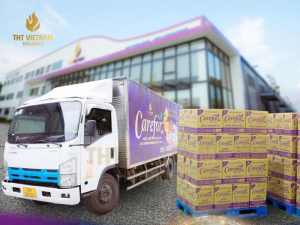
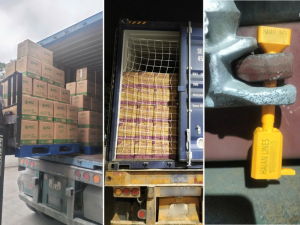
Packaging for export requires higher standards to withstand long-distance shipping and varying humidity levels. Products are securely packed and palletized according to international shipping protocols, ensuring they remain safe and intact during sea or land transit.
Step 4: Logistics and delivery coordination
The factory works in tandem with the logistics department to arrange shipping schedules, prepare all necessary customs documentation, and ensure that the goods are loaded and dispatched exactly on time. This seamless hand-off between production and logistics minimizes the risk of delays.
The strategic advantages of a factory-centric model
Linking export activities directly to THT Vietnam Manufacturing creates several undeniable advantages:
- Absolute quality consistency: Since all products are made in one controlled environment, there is no variance between batches, which is a common problem when using multiple outside manufacturers.
- Time and schedule control: THT Vietnam is the master of its own schedule. It does not have to wait for an external factory’s availability, allowing for much more reliable delivery promises to foreign clients.
- Cost efficiency: By eliminating the middleman and the markup of external processors, THT Vietnam can offer more competitive pricing while still investing in high-quality ingredients.
- Risk mitigation: Direct control allows the company to immediately identify and solve any issues, significantly reducing the risk of quality claims or shipment rejections.
Conclusion: A sustainable foundation for global reach
In summary, THT Vietnam’s export success is not a result of chance, but a deliberate outcome of its manufacturing-centric strategy. By placing THT Vietnam Manufacturing at the heart of its operations, the company has created a reliable, transparent, and highly efficient system that meets the highest international standards.
The factory serves as more than just a production site; it is a strategic asset that ensures consistency, flexibility, and long-term stability for every export order.
As THT Vietnam continues to expand its footprint on the global map, this foundation will remain the key driver, proving that Vietnamese manufacturing possesses the genuine capability and professional standards to compete at the highest level of the global FMCG market. THT Vietnam is committed to being a reliable bridge, bringing quality Vietnamese products to the world with a vision of sustainable and responsible development.
Discover the qualities that define a leading liquid detergent factory in Vietnam. Explore the essential core production lines and rigorous QC systems. Discover how THT Vietnam Manufacturing stands as a modern, $10 million facility that sets the industry standard and serves as a reliable OEM/ODM partner.
1. The strategic importance of a reliable liquid detergent factory in Vietnam
The Southeast Asian consumer market is currently undergoing a dynamic expansion, with Vietnam emerging as a major manufacturing and consumption hub. The home care and fast-moving consumer goods (FMCG) sectors, in particular, are witnessing robust growth, driven by urbanization and rising disposable income. This market growth places significant demands on manufacturers for both massive production capacity and stringent product quality.
Choosing a liquid detergent factory in Vietnam is not merely a procurement decision; it is a critical strategic choice. A successful partnership hinges on selecting a factory that can consistently deliver high volume alongside unwavering quality, while also navigating the complexities of local logistics and international standards. Manufacturers must be versatile, capable of producing everything from high-volume liquid detergents to specialized cosmetic chemical products. The ability to meet these demanding criteria-efficiency, quality, and versatility-is what truly defines a market leader in Vietnamese chemical manufacturing.
2. THT Vietnam Manufacturing: A $10 million investment defining modern excellence
THT Vietnam understood this market demand and responded with a commitment that sets us apart. We are not just a trading or distribution entity; we are a proactive manufacturing powerhouse, firmly rooting our ecosystem in the state-of-the-art THT Vietnam Manufacturing facility in Hưng Yên Province.
This facility represents a substantial and strategic investment of $10 million USD, sprawling across a modern 20,000 m² campus. This capital was directed toward achieving technological autonomy and control over the entire supply chain. The factory has rapidly established itself as a leading strategic center for research and high-volume production of chemical and cosmetic products. With an impressive annual capacity of 50,000 tons of product, THT Vietnam Manufacturing doesn’t just produce; we pioneer, setting new benchmarks for quality and scale in the region.
3. The foundation of trust: International Certifications and Strategic Scale
The initial indicator of a world-class liquid detergent factory in Vietnam is its adherence to verifiable international standards. THT Vietnam Manufacturing proudly displays these credentials, which underpin every stage of our operation.
3.1. Certified quality and environmental stewardship
Our commitment to excellence is non-negotiable and recognized globally:
- ISO 9001:2015 (Quality management system): This crucial certification ensures that every process, from raw material inspection to finished product delivery, adheres to rigorous quality protocols, guaranteeing consistent, batch-to-batch product quality for our partners.
- ISO 14001:2015 (Environmental management system): Operating a modern chemical facility demands supreme environmental responsibility. This certification confirms THT’s proactive commitment to sustainable practices, responsible management of chemical effluent, and resource minimization, meeting the high ESG standards of modern global brands.
3.2. Unmatched scale and strategic autonomy
With a 20,000 m² facility and a strategic investment of $10 million USD, THT Vietnam Manufacturing delivers unparalleled scale and autonomy.
- 50,000 tons annual capacity: This robust capacity ensures that THT can handle peak high-volume mass-market demands while maintaining the flexibility required for specialized or niche chemical and cosmetic products.
- Technology and cost optimization: The factory’s self-sufficient structure allows THT to maintain stringent control over manufacturing standards, drive technological breakthroughs, and implement operational cost optimization, translating directly into highly competitive pricing and superior value for our brand partners.
4. Operational excellence: The verified core production lines at THT Vietnam Manufacturing
The sustained, high quality of output from any leading liquid detergent factory in Vietnam is intrinsically linked to the precision and validated capability of its hardware. THT Vietnam Manufacturing focuses its investment on highly efficient, confirmed production systems that guarantee product integrity and consistency across all chemical and cosmetic lines.
4.1. The semi-automated mixing system – precision homogenization for complex products
The blending process is where formula integrity is achieved, demanding chemical accuracy and physical homogeneity.
- Large-capacity mixing vessels: Our facility utilizes large-capacity mixing vessels constructed from high-grade materials, suitable for corrosive detergents and sensitive cosmetic bases.
- High-speed agitation and precise temperature control: Each vessel is equipped with specialized high-speed agitation systems crucial for rapidly dissolving thick polymers and ensuring thorough dispersion of active ingredients (like surfactants). This is paired with precise temperature control systems, essential for stabilizing complex mixtures that demand a high degree of uniformity, such as laundry liquid, dishwashing liquid, and other complex chemical cleaners. This semi-automated system provides the critical balance between technological control and operational adaptability.
4.2. Fully automated filling system – high accuracy across all capacities
The shift from bulk liquid to packaged goods requires flawless accuracy to meet regulatory fill weight standards and maintain strict cost control-a signature of THT Vietnam Manufacturing.
- Versatile volume handling: Our automated filling lines are designed for versatility, capable of accurately dispensing product across a wide range of capacities, from small format trial sizes (e.g., 35ml) up to large commercial containers (e.g., 9L).
- Minimizing vriance: The high degree of automation fundamentally reduces the potential for human error and guarantees the precise, legally required volume for every product unit, regardless of size or viscosity.
4.3. Automated packaging, labeling, and quality inspection line
The final packaging stage ensures market readiness, brand presentation, and compliance.
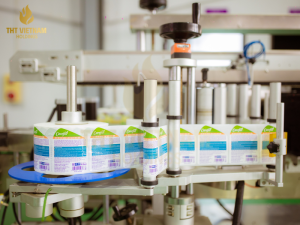
- Integrated automation: The entire packaging chain-including filling, capping, labeling, and date printing-is seamlessly managed by a fully automated system.
- Advanced quality control checkpoints: Crucially, this line integrates an advanced quality control mechanism utilizing optical sensors and electronic scales (check-weighers). This system automatically detects and rejects flawed products (e.g., those with incorrect weight, missing caps, or misaligned labels) before they ever reach the warehouse, upholding THT’s unwavering commitment to final product excellence.
4.4. The standardized storage system – maintaining material integrity
Proper storage management is fundamental to preserving the quality of chemical raw materials, packaging, and finished goods, a necessity for any modern liquid detergent factory in Vietnam.
- Industrial safety standards: The factory’s expansive storage facilities are meticulously managed according to stringent industrial safety standards applicable to chemical storage
- Environmental control: Key areas dedicated to raw materials (chemicals and fragrances) and finished goods maintain ideal preservation conditions through continuous temperature and humidity control. This critical environmental management prevents the degradation of chemicals and ensures the stated shelf life is met.
5. WHY THT LEADS THE MARKET: A summary of core competitive advantages
THT Vietnam Manufacturing transcends the role of a traditional liquid detergent factory in Vietnam by excelling in four core areas that grant us a competitive advantage:
- Financial & infrastructure scale: The $10 million USD investment and 20,000 m² footprint provide unmatched stability and capacity (50,000 tons/year), assuring brand partners of supply security and future scalability.
- Certified quality control (QC): Adherence to ISO 9001:2015 and the integration of automated check-weighers and optical sensors in the packaging line ensure minimal defects and guarantee consistent, regulatory-compliant product output.
- Technological adaptability: The semi-automated mixing system and fully automated filling system allow us to efficiently pivot between high-volume laundry detergent production and specialized, smaller-batch cosmetic chemical products, offering superior flexibility to our clients.
- Strategic market alignment: By maintaining ISO 14001:2015 standards and focusing on operational cost optimization, THT helps local Vietnamese brands achieve sustainable, quality-driven growth, solidifying our role as a market pioneer.
6. Strategic partnership: THT as a reliable OEM/ODM solution
A key differentiation for THT Vietnam Manufacturing is our proven capability as a dependable OEM (Original Equipment Manufacturing) and ODM (Original Design Manufacturing) partner. This service leverages our robust infrastructure and in-house expertise, allowing businesses-from emerging startups to established brands-to launch high-quality products swiftly and efficiently.
- OEM excellence: We execute manufacturing based on a client’s specific, pre-developed formula. Our role guarantees consistent product quality, scale, and adherence to all regulatory packaging and labeling standards, allowing clients to focus solely on marketing and sales.
- ODM innovation: For clients seeking a complete solution, our R&D capabilities provide Original Design Manufacturing. This means THT handles the entire process: concept development, formula creation, stability testing, regulatory filing, and full-scale production. This service minimizes client risk and accelerates the time-to-market for innovative chemical and cosmetic products in the Vietnamese market.
- Streamlined entry: Partnering with THT for OEM/ODM provides reliable access to international-standard production without the need for clients to undertake the massive capital investment required for a $10 million, 20,000 m² factory.
7. THT Vietnam’s key role in elevating Vietnamese brands
THT Vietnam leverages its certified, controlled processes to offer unmatched strategic value as the leading liquid detergent factory in Vietnam.
- Championing Pure Vietnamese Brands: THT’s role is critical in controlling manufacturing standards, developing proprietary breakthrough technologies, and optimizing operational costs. This commitment helps to elevate and empower pure Vietnamese chemical and cosmetic brands by providing a foundation of guaranteed quality and technological stability.
- The Nexus of Quality and Sustainability: By maintaining both ISO 9001 (Quality) and ISO 14001 (Environment) certifications, THT ensures products are manufactured not only to a high-performance standard but also with a focus on sustainability, a commitment increasingly demanded by global and domestic consumers.
8. Conclusion: THT – The undeniable leader in Vietnamese Manufacturing
Selecting the optimal liquid detergent factory in Vietnam requires a partner who has demonstrated deep financial commitment, technological superiority, and unwavering adherence to international quality and environmental standards.
THT Vietnam Manufacturing embodies this leadership. With its substantial $10 million investment, 50,000 tons annual output, and certified systems, THT stands as the definitive modern, reliable, and versatile OEM/ODM partner. Our dedicated, verified production lines ensure the accuracy, quality, and scale necessary to support brands aiming for leadership in the competitive chemical and cosmetic market in Vietnam and beyond.
In daily life, clothing serves as our first layer of protection, which makes it easy to pick up all kinds of stains—oil, coffee, ink, pen marks, lipstick, mold, and even red wine. Many stains can be removed quickly with regular detergent, but some stubborn, deeply embedded stains may take much more effort. Understanding the correct way to treat each type of stain helps your clothes stay clean, vibrant, and long-lasting. Below is a guide to 10 effective stain-removal tips every household should save.

1. Removing Oil and Grease Stains – The Most Common Clothing Enemy
Oil from food, frying, or simply touching your clothes with oily hands can leave visible marks. These stains cling quickly and penetrate deeply into fabric fibers.

Effective method for stubborn oil stains:
-
Blot excess grease with a tissue.
-
Sprinkle talcum powder or flour to absorb the oil for a few minutes.
-
Apply a small amount of dishwashing liquid and gently rub.
-
Rinse with warm water to remove completely.
For deeper cleaning, wash again with Carefor Ultra 6in1, which is highly effective at removing grease while keeping fabrics soft.
2. Removing Coffee Stains – Act Quickly Before It Sets
Coffee is very common in Vietnam and contains strong pigments. If not treated immediately, it dries into a stubborn brown stain.

How to remove coffee stains:
-
Mix baking soda with warm water.
-
Apply to the stain and leave for 10–15 minutes.
-
Wash as usual.
For children’s clothing or sensitive skin, use a mild detergent such as Carefor Light, made with 100% plant-based ingredients for gentle, irritation-free cleaning.
3. Removing Ink Pen Stains – Avoid Rubbing Too Soon
Ink from ballpoint or gel pens tends to spread if rubbed immediately.

Correct method:
-
Apply 70% alcohol or hairspray directly onto the stain.
-
Let it dissolve for a few minutes.
-
Wash with a suitable detergent.
Avoid using hot water—it can cause ink to penetrate deeper into fabric fibers.
4. Removing Lipstick Stains – Prioritize Oil-Soluble Cleaners
Lipstick contains oils and strong pigments, so you’ll need a cleaner that can dissolve oil.
How to treat lipstick stains:
-
Use cleansing oil (not micellar water or balm), mild shampoo, or glycerin.
-
Blot gently—avoid harsh rubbing.
-
Rinse with warm water.
For lingerie or delicate fabrics, use Carefor Lady, specially formulated to clean and sanitize underwear while maintaining softness.
5. Removing Blood Stains – Rule No. 1: Avoid Hot Water
Whether fresh or dried, blood contains protein. Hot water causes protein to coagulate and cling tightly to fabric.
Correct method:
-
Soak clothing in cold water for 15 minutes.
-
Dab the stain with hydrogen peroxide.
-
Wash gently with detergent.
For fresh blood stains, cold water and salt are often enough.
6. Removing Mud Stains – Let It Dry First
Many people wash mud immediately, but wet mud spreads and embeds deeper into fabric.
Correct method:
-
Let the mud dry completely.
-
Brush off the dried mud with a soft brush.
-
Soak in diluted soapy water.
-
Wash with detergent.
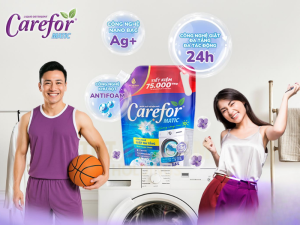
If machine-washing, choose Carefor Matic, which uses multi-layer washing technology to remove deep stains without damaging fabric fibers. Its anti-foam formula also protects your washing machine.
7. Removing Mold Stains from Damp or Poorly Ventilated Clothes
Clothes left too long in the wardrobe or dried improperly may show white, green, or black mildew spots.
How to treat mold stains:
-
Rinse the clothes with hot water (if the fabric allows).
-
Soak in white vinegar for 20–30 minutes.
-
Wash and dry under direct sunlight to kill mold spores.
To eliminate vinegar smell and ensure skin safety, rewash with Carefor Light, which uses silver nano technology to kill 99.9% of bacteria.
8. Removing Soy Sauce Stains – Strong Pigments but Manageable
Like coffee, soy sauce has dark, persistent pigments—especially noticeable on white fabrics.
How to treat soy sauce stains:
-
Soak the stained area in warm water mixed with vinegar.
-
Apply concentrated detergent directly on the stain.
-
Gently rub and rinse clean.
Check areas like collars and hems—these spots stain easily during meals.
9. Removing Candle Wax Stains – Avoid Rubbing While Soft
Candle wax from decorative or burning candles can leave tough marks.
Correct method:
-
Let the wax dry completely.
-
Scrape gently with a blunt knife.
-
Place tissue paper over the stain and iron.
-
The melted wax will transfer to the tissue.
-
Wash with detergent.
10. Removing Red Wine Stains – One of the Toughest Stains
Red wine contains tannins, which adhere strongly to light-colored fabrics.
How to treat red wine stains:
-
Sprinkle salt over the stain to absorb pigments.
-
Pour boiling water from 20–30 cm above the fabric to break down the color.
-
Wash with detergent.
-
If traces remain, apply baking soda for another 20–30 minutes.
Important Notes to Protect Your Clothes
To maximize cleaning results:
-
Treat stains as soon as possible.
-
Avoid hot water for oil, blood, and protein-based stains.
-
Always test cleaning solutions on a hidden fabric area.
-
Choose detergent suitable for fabric type.
-
Prioritize safe, color-protecting products.
Recommended Laundry Products from THT Vietnam
Choosing the right detergent is crucial for fast stain removal while minimizing fabric damage. Based on household needs, here are THT’s most trusted products:
1. Carefor Ultra 6in1 – Comprehensive Solution for Stubborn Stains
Perfect for families who need strong cleaning daily. Its ultra-concentrated formula removes various stain types while combining wash and softener in one step.
2. Carefor Light – Gentle and Safe for Sensitive Skin
Ideal for children’s clothing and sensitive-skin users. Made with 100% plant-derived ingredients and silver nano technology to kill 99.9% of bacteria.
3. Carefor Matic – Optimized for Machine Washing
Designed specifically for washing machines. Multi-layer washing removes dirt trapped deep within fibers, while anti-foam technology protects machine components.
4. Carefor Lady – Specialized Care for Underwear
Underwear needs deeper cleaning and higher antibacterial care. Carefor Lady eliminates five common bacteria types, deodorizes effectively, and preserves fabric softness.
Conclusion
Removing stubborn stains isn’t difficult when you understand the nature of each stain and use the right techniques. Combining these stain-removal tips with the right detergent will keep your clothes clean, vibrant, and pleasantly scented. For more safe and effective laundry solutions from THT Vietnam, visit the THT Vietnam website to explore the full product range and choose the best options for your family.
The year 2025 marks the 20th anniversary of the establishment and development of THT Vietnam Investment, Trading & Import-Export Joint Stock Company (THT Vietnam) – one of the exemplary Vietnamese brands in the consumer goods sector. Over the past two decades, the company has remained committed to the aspiration “For Better Life” – bringing a better life to millions of Vietnamese families.
Throughout 20 years of formation and growth, THT Vietnam has not only affirmed its brand reputation in the domestic market but also gradually expanded its influence, marked by milestones and impressive figures reflecting the company’s internal strength and strategic vision.
20 Years of Steadfastly Building Reputation
Starting from the challenging early days of the domestic consumer goods market, THT Vietnam chose the path of development based on product quality and consumer trust.
With 20 years of experience, the company continuously improves its management system, invests in technology, and expands operational scale, creating a solid foundation for sustainable growth.
Throughout this journey, THT Vietnam has built a strong brand reputation, becoming a trusted partner for hundreds of distributors, agents, and millions of customers nationwide.
$10 Million Factory – A Strategic Step for Quality
A significant milestone in THT Vietnam’s development journey was the investment in a modern $10 million factory – a project reflecting long-term vision and a strong commitment to quality.
The factory is built to international standards, applying advanced production technology, aiming for safe, environmentally friendly products and optimal efficiency for consumers.
This strategic investment enables THT Vietnam to fully control the production chain, ensuring quality from raw materials to finished products, while asserting the company’s pioneering role in the modern consumer goods industry.
50,000 Retail Agents – Nationwide Network
Over two decades of development, THT Vietnam has established a network of 50,000 retail agents across 63 provinces and cities. Each outlet is not only a point of product distribution but also a “brand ambassador,” helping spread trust and credibility of THT Vietnam to every household.
From major cities to rural areas, THT products have become a familiar companion for consumers, affirming the value of Vietnamese brands in everyday life.
Over 100 Distributors – Sustainable Connection Strength
Alongside the widespread agent network are over 100 strategic distributors – partners who have accompanied THT Vietnam throughout its development journey. A large-scale, flexible, and stable distribution system is an important factor that helps the company maintain competitiveness, expand the market, and ensure products reach consumers quickly and efficiently.
This also demonstrates a strong cooperative relationship, sharing values and developing together with the common goal – bringing high-quality Vietnamese products to every region.
400+ Employees – The Heart of THT Vietnam
If technology and networks are the foundation, people are the soul of THT Vietnam.
The company currently brings together over 400 staff members, with dedication, creativity, and solidarity.
They are the ones who have overcome challenges together, contributing effort and intellect to help the THT brand grow stronger.
THT Vietnam’s corporate culture is built on three core values: responsibility – credibility – creativity, creating internal strength that enables the company to continuously innovate and excel.
Looking to the Future – Continuing the “For Better Life” Mission
Twenty years have been a journey of pride and dedication. But for THT Vietnam, it is only the starting point for new advances. The company affirms it will continue investing in technology, enhancing production capacity, expanding domestic and international markets, and staying true to the mission of bringing a “Better Life – For Better Life” to every Vietnamese family.
Welcoming the 20-Year Anniversary – A Milestone of Gratitude and New Beginnings
Soon, the 20th-anniversary grand celebration of THT Vietnam will be held, an occasion to express gratitude to partners, customers, employees, and recognize the relentless efforts of the THT team over the past two decades.
The celebration is not only a moment to look back on the development journey but also a declaration of the company’s vision, ambition, and mission to spread Vietnamese value in the future.
With a solid foundation, sound strategy, and innovative spirit, THT Vietnam is ready for the next journey – a journey of trust, quality, and ambition to reach further.
In the cosmetics industry, especially in the field of detergent production, pH is one of the most important factors that directly affects the cleaning efficiency and the ability to protect fabric fibers. Not only does it help remove stains effectively, pH also determines the durability, color and softness of clothes after each wash. Understanding the role of pH will help consumers choose the right detergent product, both effectively cleaning and protecting the health of the whole family.
What is pH and its role in laundry detergent?
pH is an index that measures the acidity or alkalinity of a solution, ranging from 0 to 14. A pH value of 7 is considered neutral, less than 7 is acidic, greater than 7 is alkaline. In laundry detergent, pH affects the ability to dissolve and decompose stains such as grease and dirt, and also affects the structure and durability of fabric fibers.
-
If the pH is too high (strong alkaline): The detergent can clean quickly but can easily cause the fabric fibers to fray, fade, and reduce the life of the clothes.
-
If the pH is too low (acidic): The cleaning ability is reduced, stubborn stains cannot be removed, and clothes are prone to bacteria and mold accumulation.
-
Balanced pH (near neutral): Cleans effectively, protects color and softness, and maintains the fabric fiber structure.
The effect of pH on fabric color and durability
pH not only affects the cleaning ability but also determines the color fastness and quality of the fabric. A detergent with the right pH will maximize the cleaning ability without damaging the fabric.
-
High pH laundry detergent: Easily fades colors, makes clothes wear out quickly, fabric fibers become stiff, and lose their original beauty.
-
Low pH laundry detergent: Good color retention but poor cleaning effect, easy to cause bacteria accumulation and odor.
-
pH balanced laundry detergent: Keeps clothes fresh, colors long lasting and fabric soft through many washes.
Especially for children’s clothes or people with sensitive skin, choosing a detergent with balanced pH is a prerequisite to protect the skin from irritants.
The effect of pH on fabric protection and clothing color
Not only affecting cleaning ability, the effect of pH is also evident in protecting the color and quality of fabric fibers.
-
High pH detergent: Easily fades colors, makes clothes quickly wear out, fray, and lose their original beauty.
-
Low pH detergent: May preserve color but does not clean effectively, causing clothes to accumulate bacteria and mold.
-
pH balanced laundry detergent: Deep cleans while protecting colors, keeping clothes fresh and beautiful through many washes.
Why is it necessary to neutralize pH during washing?
During the washing process, detergents often create a highly alkaline environment (pH from 12-13) to help the fabric fibers expand and effectively separate stains. However, keeping the pH at a high level after washing will damage the fabric structure, reduce the life of the clothes and can cause skin irritation.
Therefore, the pH neutralization step after washing is very necessary to bring the pH environment to a safe level (about 5.5 – 7), helping to protect the fabric fibers and the user’s skin. This also helps reduce the number of rinsing steps, saving time and energy.
Therefore, we need to choose detergent with suitable pH:
-
Prioritize laundry detergent with a near-neutral pH (around 7): This is the ideal pH level that helps balance cleaning efficiency and fabric protection.
-
Avoid products with pH that is too high or too low: Especially with children’s clothing, underwear, or high-end fabrics, as they can easily damage and irritate the skin.
-
Choose products from reputable brands: Large manufacturers like THT often strictly control the pH in their formulas, ensuring safety and effectiveness.
Practical application of THT in controlling pH of laundry water
With over 20 years of experience in the cosmetics industry, THT always focuses on researching and developing laundry detergent products with optimal pH. THT laundry detergent is thoroughly tested to ensure:
-
Cleans effectively without damaging fabric fibers.
-
Keeps color lasting, limits fabric fiber hardening.
-
Safe for all skin types, including children’s sensitive skin.
-
Contains no toxic chemicals and does not irritate the skin.
To maximize the effect of pH in fabric protection and cleaning, consumers should note:
-
Read product information carefully: Prioritize laundry detergents that clearly state the pH level or have been tested to be safe for skin and fabrics.
-
Avoid products with pH that is too high or too low: Especially with children’s clothing, underwear, and high-end fabrics.
-
Choose a reputable brand with clear quality testing: Products from major manufacturers like THT are always strictly controlled for pH, ensuring effectiveness and safety.
The effect of pH in laundry detergent is a decisive factor not only in cleaning efficiency but also in optimal protection for clothes and your family’s health. Choosing a detergent with a balanced pH, suitable for each type of fabric will help clothes stay durable, soft and safe for the skin. Please trust in choosing THT Vietnam laundry detergent – a safe and sustainable cleaning solution for every Vietnamese family.
Washing machines are gradually becoming indispensable items in every modern family. However, after a period of use, many people encounter the situation of the washing machine being clogged with residue at the bottom, causing discomfort every time they wash clothes. Don’t worry! Let’s discover the causes and effective solutions to help your washing machine stay clean, durable and keep your clothes smelling fresh every day.
Why is the washing machine clogged at the bottom?
1. Using too much detergent/fabric softener
One of the most common causes is using too much detergent or fabric softener. When using more than the recommended amount, these substances do not have time to dissolve completely in water, easily clump and accumulate at the bottom of the machine, thereby causing scale buildup.
2. Not cleaning the washing machine regularly
Washing machines, like any other appliance, need to be cleaned regularly. Soap residue, lint, grease, and dirt from clothes accumulate over time in hidden places like the bottom of the machine or between the drums. If not cleaned promptly, these residues will continue to accumulate.
3. Filter tray and lint filter bag are dirty or torn
The lint filter bag plays a role in collecting dust and dirt from clothes during the washing process. When the filter bag is full, dirty or torn, its filtering ability is reduced, causing dirt to fall back, settle to the bottom of the washing machine and accumulate over time.
4. Dirty water source or water with many impurities
Tap water containing a lot of alum, minerals or impurities is the factor that contributes to the washing machine’s scale. Minerals in water can precipitate when exposed to high temperatures or when in contact with detergents, thereby forming a hard layer of scale.
5. Using an overloaded washing machine
When too many clothes are put into the machine, the space in the drum is too tight, causing the water and detergent to not dissolve evenly, resulting in the detergent settling down and sticking to the lower drum instead of being rinsed away.
6. Deteriorated machine parts – Peeling rubber gaskets and paint
After a long time of use, parts such as rubber gaskets and anti-rust coating in the washing drum can wear out and peel off. This peeling layer combined with dirt and soap will quickly form a layer of residue at the bottom of the washing drum.
Consequences when washing machine has residue at the bottom
-
Clothes are dirty and smell bad: Not only are clothes not cleaned, they also have stains, lint, and even an unpleasant smell after washing.
-
Reduces the life and performance of the washing machine: Dirt causes components to deteriorate quickly, causing the motor to jam or affecting the water discharge process.
-
Increased risk of bacteria and mold growth: Humid environment combined with dirt is a favorable condition for mold and bacteria to grow, directly affecting the health of the whole family.
How to deal with washing machine with residue at the bottom
1. Clean the washing machine drum regularly
-
Select the drum cleaning mode: Many modern washing machines have this mode available, which helps automatically clean and remove dirt deep inside.
-
Using hot water and vinegar/baking soda: Pour hot water into the washing machine, add 1-2 cups of white vinegar or 2-3 tablespoons of baking soda, soak for 1-2 hours, then run a normal washing cycle. Vinegar/baking soda helps remove stains and deodorize effectively.
-
Specialized cleaning powder: You can buy washing machine cleaning powder to quickly and safely clean the drum, prolonging the life of the machine.
2. Clean the filter and lint filter bag
-
Clean/increase inspection of the lint filter bag: Remove and wash or replace if torn to improve dirt filtering efficiency and keep the washing drum clean.
-
Clean the detergent/softener tray: Do not leave any remaining detergent to avoid clumping and causing more residue.
3. Use the correct type and amount of detergent
-
Use specialized products: Only use detergent powder/liquid specifically for the type of washing machine you are using, following the correct dosage recommended by the manufacturer to ensure complete dissolution and reduce the risk of residue buildup.
4. Do not overload the washing machine
-
Always keep the laundry load within the machine’s capacity. This not only reduces scale build-up but also helps the machine run more smoothly and last longer.
5. Maintain and repair machine parts when needed
-
Painting/maintaining the washing drum and rubber gasket: If any parts are found to be peeling or worn, replace or repaint them immediately to reduce the risk of residue build-up.
-
Check the water source: If the water source is alum-rich or has many impurities, you should install an additional filter to protect the washing machine and reduce scale buildup.
Tips to keep your washing machine clean
-
Open the machine door to ventilate after washing: Helps dry the drum, limit mold and odors.
-
Clean the machine periodically 1-2 times/month: Especially the bottom of the drum, rubber gasket, filter bag and detergent tray.
-
Regular hot water washing: Especially useful if the family has small children, elderly people or uses the washing machine regularly.
-
Do not use more than the recommended amount of detergent/softener: Helps all detergent to be rinsed away without leaving any residue.
The condition of the washing machine being clogged with scale is quite common but can be completely controlled if you understand the cause and apply periodic cleaning methods. Keeping the washing machine clean not only protects the health of the whole family but also prolongs the life of the equipment, helping you save time and unnecessary repair costs. Be proactive in taking care of the washing machine properly so that each load of laundry is always fragrant, clean and safe.
In the increasingly competitive cosmetics market, building a private label brand is not just about beautiful packaging or a massive marketing strategy. The core factor that determines the success and sustainability of a brand is owning an exclusive formula. This is not just a collection of ingredients, but the quintessence of research, development, and differentiation, creating an uncopyable value.
With 20 years of experience in the field of cosmetic processing and manufacturing, THT Vietnam has witnessed and accompanied countless brands on their journey to position themselves. We understand that an exclusive formula is not only a trade secret, but also a commitment to quality, effectiveness, and safety that the brand sends to consumers. This article will analyze in depth the role, process, and great benefits that developing an exclusive formula brings to building a strong private brand.
1. What is a proprietary formula and why is it important?
A proprietary formula is a product formula that is researched, developed, and owned exclusively by a company or brand, and cannot be copied or used by any other competitor. It includes a unique combination of ingredients, mixing ratios, special manufacturing processes, and sometimes even separate application technology.
In the cosmetics industry, where products can be easily imitated in appearance, having a proprietary formula becomes vital. It provides:
- Superior differentiation: Helps the brand stand out from thousands of similar products on the market. When consumers feel the uniqueness and distinct effectiveness, they will have a reason to choose and be loyal.
- Brand Core Values: A proprietary formula that not only creates a product, but also defines the brand’s identity, values, and promise. It is the foundation for all marketing messages and builds trust.
- Effective barrier to competition: Copying a proprietary formula is extremely difficult, expensive and may violate intellectual property laws. This creates a sustainable competitive advantage, protecting the brand’s position in the market.
- Quality control and effectiveness: When owning an exclusive formula, the brand has full control from the selection of raw materials, production process to quality control, ensuring the product always achieves the highest efficiency and absolute safety.
2. Exclusive formula development process at THT Vietnam
At THT Vietnam, we understand that developing a proprietary formula is a scientific, creative, and meticulous process. Our process typically includes the following main steps:
- Market research and demand identification: The first step is to listen and understand the market. Together with our partners, we analyze consumer trends, product gaps, and problems that consumers are looking for solutions to. From there, we clearly define the product type, desired features, and target customers.
- Research and selection of raw materials: Based on the identified needs, THT’s R&D team will conduct extensive research on raw materials. We prioritize ingredients with clear origins, meet international standards, and have the ability to maximize effectiveness when combined. This is an important step to ensure the safety and effectiveness of the exclusive formula.
- Formulation Development and Initial Testing: Our chemists and pharmacists will begin developing pilot versions of the formulation. Each version will undergo a blending process, testing for stability, pH, and compatibility of ingredients.
- Clinical testing and efficacy evaluation: Once we have stable test samples, we conduct clinical or large-scale trials (depending on the partner’s requirements and product type) to accurately evaluate the product’s efficacy on skin, hair, or other surfaces. Feedback from test users is invaluable for refining our proprietary formulas.
- Formula Optimization and Perfection: Based on test results and feedback, the proprietary formula will be continuously optimized until the desired effect is achieved and all quality standards are met.
- Registering for intellectual property protection: This is an extremely important step to protect the brand’s exclusive formula. THT will support partners in registering copyrights, patents or other forms of protection according to the law.
3. Outstanding benefits of owning an exclusive formula
Investing in developing proprietary formulas brings strategic and sustainable benefits to your private brand:
Enhanced brand value: A brand with a proprietary formula is seen as having the capacity to research, develop and innovate. This enhances its reputation, creating a professional and trustworthy image in the eyes of consumers.
Generate higher profits: Unique, superior-performing products often command higher prices than conventional products on the market. Consumers are willing to pay more for value they can’t find elsewhere.
Building customer loyalty: When customers find a product that truly works and delivers tangible results thanks to its proprietary formula, they tend to stick with the brand for the long term. This loyalty is invaluable.
Easy product line extension: From a successful proprietary formula, brands can easily develop variants, sub-product lines or other complementary products, forming a solid product ecosystem.
Full control of supply chain and production: Possessing exclusive formulas gives brands the initiative in choosing raw material suppliers, production processes, and processing partners (such as THT Vietnam), ensuring quality from the first step to the final product.
4. Challenges and solutions when developing proprietary formulas
Despite its many benefits, the process of developing proprietary formulas also comes with certain challenges:
- Initial Investment Costs: Research and development (R&D) requires significant financial resources for equipment, personnel, testing materials, and testing procedures.
- Solution: Cooperate with reputable processing units such as THT Vietnam. We have available facilities, highly specialized and experienced R&D team, helping to optimize costs and shorten development time.
- Time and patience: The R&D process can be lengthy, requiring patience and constant testing and tweaking.
- Solution: Create a detailed R&D plan, set clear timelines, and closely coordinate between the brand and the manufacturing partner to monitor progress.
- Risk of failure in testing: Not every idea or test formula is successful right from the start.
- Solution: Develop a scientific testing process, diversify the options and always be ready to adjust based on actual results. The experience of the manufacturer will help minimize this risk.
- Formula Information Security: Protecting the confidentiality of proprietary formulas is paramount to avoid duplication.
- Solution: Sign strict non-disclosure agreements (NDAs) with outsourcing partners and all relevant parties. Build a strict internal security system.
In the ever-changing cosmetics market, owning and developing a proprietary formula is no longer an option, but a key factor in building and maintaining the success of a private brand. It is a testament to serious investment in quality, differentiation, and innovation.
With 20 years of experience in the field of processing and manufacturing, THT Vietnam is proud to be a trusted partner, accompanying brands on the journey to create breakthrough exclusive formulas. We are committed to providing comprehensive R&D solutions and standardized production processes, helping your brand not only survive but also grow strongly, affirm its position and win the trust of Vietnamese consumers. Let the exclusive formula become the key to open the door to success for your brand.
In the context of the increasingly developing cosmetic industry, owning an internationally standardized processing process is a vital factor for businesses to build reputation, expand market share and build trust with customers. However, not everyone clearly understands the necessary steps as well as the standards that must be followed in this process. The following article will help you visualize in detail the modern cosmetic processing process, and at the same time provide important notes to choose the right manufacturing partner.
What is cosmetic processing?
Cosmetics processing is the process in which a brand cooperates with a professional manufacturer to create products under its own brand name. The manufacturer will take care of everything from formula research, testing, production to quality testing and packaging of finished products. Thanks to this, businesses can save on investment costs for factories, machinery, and human resources while still owning high-quality products that meet market demand.
Steps in the international standard cosmetic chemical processing process
An international standard cosmetic processing process not only requires investment in technology but also requires close coordination between stages. Below are the important steps that any business needs to master.
Research and development of formula: This is the first step and also the foundation that determines the success of the product. The R&D team will analyze the market, determine the actual needs of consumers, then build a suitable formula. The selection of raw materials, determination of content and compatibility testing of ingredients are all carefully carried out. The formula must not only ensure effectiveness but also be safe, complying with the Ministry of Health’s cosmetic regulations as well as international standards.
Product testing: After the formula is finalized, the product will be tested for physical, chemical, sensory and skin compatibility. If any signs of irritation or unwanted effects are detected, the formula will be adjusted until it meets the standards. This stage helps businesses limit risks when bringing products to market.
Mass production: Once the formula has been optimized, the product will enter the mass production stage. Input materials are carefully checked for origin and quality. Modern, automated production processes help ensure consistency for each batch. Each stage from mixing, homogenizing, filling to packaging is closely monitored by a team of experienced technicians.
Quality testing: This is an indispensable step to ensure that each batch of products meets the standards of safety, efficiency and stability. Microbiological, chemical and physical indicators will be tested in the internal laboratory and, if necessary, samples will be sent to independent testing centers. Retaining product samples is also a mandatory regulation for comparison, complaint settlement or traceability when necessary.
Packaging and finishing the product: Packaging not only helps protect the product from environmental impacts but is also a factor in brand recognition in the market. Packaging must ensure aesthetics, clear information about ingredients, uses, instructions for use, production date, expiry date and compliance with legal regulations. Proper packaging helps the product maintain optimal quality when it reaches consumers.
International standards to be followed
In order for products to be widely circulated and build reputation in the international market, businesses need to strictly comply with global quality management standards. In particular, GMP (Good Manufacturing Practices) is the most important standard. GMP requires strict control of all factors affecting product quality, from raw materials, equipment, production environment to personnel. Compliance with GMP helps minimize risks, ensuring consistent, safe and effective products.
In addition, ISO is a quality management standard specifically for the cosmetics industry. This standard focuses on principles of hygiene, traceability and risk control throughout the entire production process. Possessing ISO certification not only helps businesses improve their management capacity but also acts as a “passport” for products to access European markets.
In addition, businesses need to comply with the regulations of the Ministry of Health and international organizations on the list of ingredients, usage content, safety testing and product declaration. This helps protect consumer rights, avoid legal risks and build sustainable trust with customers.
Important notes when choosing a processing partner
Choosing a processing partner is a strategic step, directly affecting the product quality and long-term development of the business. A reputable partner will have many years of experience, own a modern factory system and a production scale suitable for development needs. A specialized R&D team, experienced engineers and testing experts are indispensable factors.
The formula security policy and intellectual property rights also need to be given top priority. The processing partner must commit to absolutely protecting the formula’s secrets, not disclosing or using it for purposes other than the signed contract. In addition, businesses should choose units with good after-sales service, consulting support, complaint resolution and companionship in the process of developing new products.
Before signing a cooperation agreement, businesses should directly visit the factory, inspect the production process and evaluate the actual capacity of the partner. This helps ensure transparency, trust and minimize risks in the long-term cooperation process.
The international standard cosmetic chemical processing process is a solid foundation for building a reputable brand and sustainable development in the competitive market. Strictly adhering to global standards, choosing professional processing partners and closely controlling each production stage will help your products not only be safe and effective but also conquer domestic and international consumers. If you are looking for a quality, reputable cosmetic chemical processing partner.
Please contact THT Vietnam for consultation, support and outstanding product development success.