Starting a laundry detergent business with the OEM model: Easy or difficult?
In recent years, FMCG (Fast-Moving Consumer Goods) production technologies have become increasingly accessible. Consequently, starting a business by launching a personal brand has emerged as a major trend, attracting substantial interest from startups. Among these, the liquid laundry detergent market is highly sought after due to its steady, high, and consistent demand. However, the question […]
In recent years, FMCG (Fast-Moving Consumer Goods) production technologies have become increasingly accessible. Consequently, starting a business by launching a personal brand has emerged as a major trend, attracting substantial interest from startups. Among these, the liquid laundry detergent market is highly sought after due to its steady, high, and consistent demand. However, the question remains: Is starting a laundry detergent business with the OEM (Original Equipment Manufacturer) model easy or difficult? Let’s analyze this with THT Vietnam.
What is the OEM Model in the Laundry Detergent Industry?
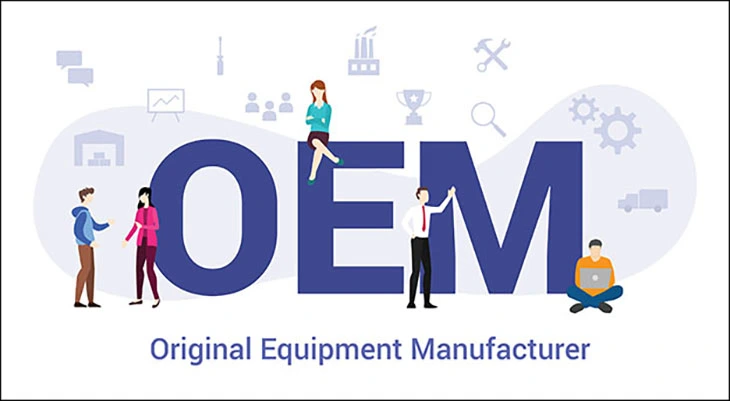
OEM (Original Equipment Manufacturer) refers to a model where a company designs and owns a brand but outsources the actual manufacturing of the products to a specialized partner (the OEM factory).
For the laundry detergent industry, this means you don’t need to invest in land, machinery, factories, or specialized chemical engineers. Instead, you only need to focus on:
Developing your brand identity (brand name, logo, packaging design).
Marketing and distribution strategies to bring the products to consumers.
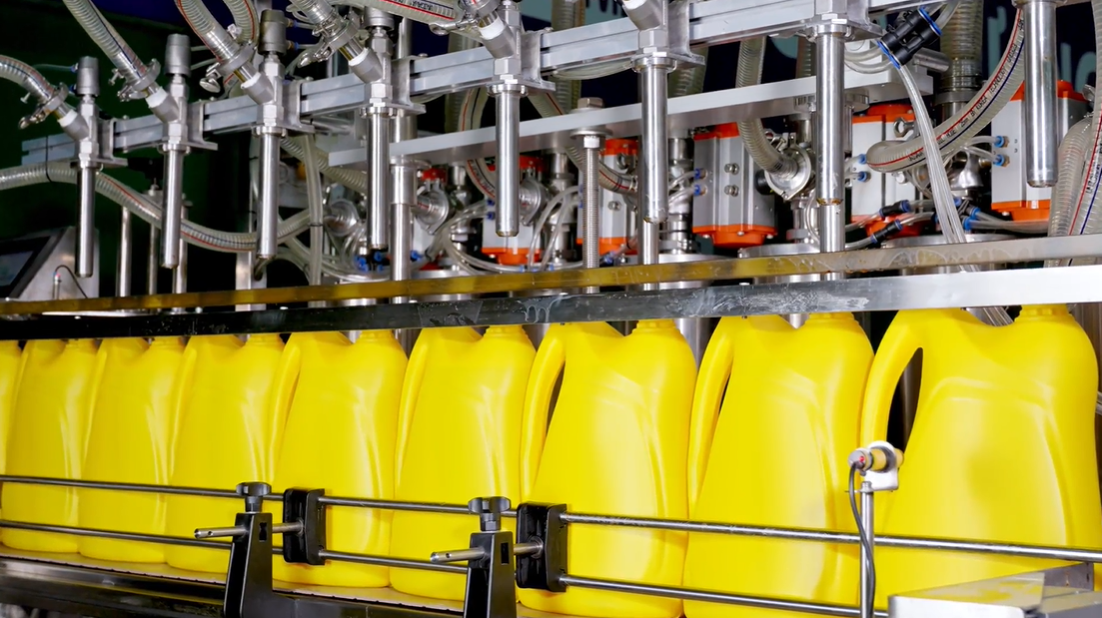
The OEM factory will handle everything from research and development (R&D) and raw material sourcing to mass production, bottling, and packaging based on your specific requirements.
The Advantages: Why is it considered “Easy”?
For startups, the OEM model offers outstanding benefits that minimize initial barriers to entry:
Low Initial Capital & Reduced Risk: Building a standard chemical manufacturing facility requires billions of VND in investment for infrastructure, modern machinery, automated filling lines, and waste treatment systems. With OEM, you bypass these massive fixed costs, significantly lowering your initial financial risk.
Time Savings: Instead of spending 1 to 2 years building a factory, obtaining compliance certificates, and testing formulas, you can launch your product within just a few weeks or months.
Guaranteed Professional Quality: Established OEM factories already possess advanced technology, standardized R&D teams, and strictly controlled production processes. This ensures your products are uniform in quality and fully compliant with safety regulations.
Focus on Core Competencies: Startups can direct 100% of their energy and resources toward what matters most in the early stages: Marketing, sales, customer service, and building distribution channels.
The Challenges: Where does the “Difficult” part lie?
While the model sounds ideal on paper, running a successful OEM laundry detergent business presents several major challenges:
Fierce Market Competition: Because entering the market via OEM is relatively easy, many others are doing the same. You will face intense competition not only from multinational giants (like Unilever or P&G) but also from hundreds of other local, affordable domestic brands.
The Struggle for Product Differentiation: If you rely entirely on an OEM factory’s generic, pre-existing formula, your product will lack a unique selling proposition (USP). Without a distinct scent, superior cleaning power, or a unique eco-friendly angle, competing solely on price will quickly drain your profit margins.
Inventory and Minimum Order Quantity (MOQ) Pressures: Most manufacturing plants require a Minimum Order Quantity (MOQ) per production run to optimize their machinery. For startups, balancing production costs while managing cash flow and inventory without tied-up capital is a difficult puzzle to solve.
Dependence on the Manufacturer: Your business will heavily rely on the partner factory regarding production capacity, delivery timelines, and raw material price fluctuations. If the factory encounters issues, your entire supply chain could be disrupted.
Solutions for a Successful OEM Laundry Detergent Startup
To navigate the difficulties and maximize the benefits of the OEM model, startups should consider the following strategic steps:
Conduct Thorough Market Research: Clearly define your target audience and look for niche markets (e.g., specialized detergent for babies, organic plant-based detergents, or high-end fragrances).
Choose the Right OEM Partner: Prioritize factories with modern technology, reputable certifications (such as ISO, cGMP), and a dedicated R&D team that can customize formulas exclusively for your brand, rather than providing generic options.
Focus on Brand Identity and Storytelling: In a crowded market, a professional packaging design and a compelling brand story will capture consumers’ attention at first sight.
Build a Sustainable Distribution Network: Master your sales channels (traditional trade, modern supermarkets, e-commerce, or B2B agents) before scaling up production.
Is starting a laundry detergent business with the OEM model easy or difficult? The answer is both. It is “easy” because it lowers the barriers to technical and manufacturing entry, but “difficult” because it demands excellence in market analysis, branding, and commercial execution.
If you have a sharp business mindset, a solid capital optimization strategy, and choose the right manufacturing partner, the OEM laundry detergent market remains a highly lucrative land of opportunity for startups.
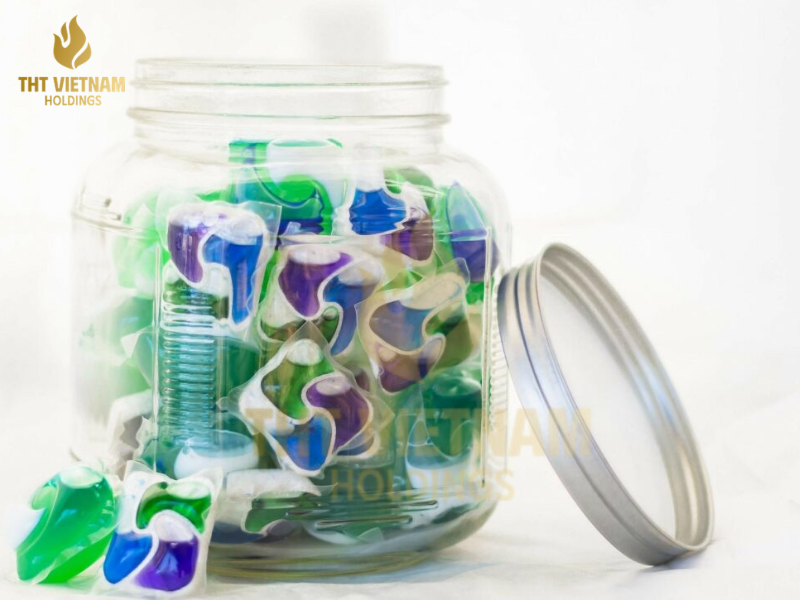
Step inside the advanced production line at THT Vietnam Manufacturing. Discover the precision engineering behind How Laundry Pods Are Manufactured-from ultra-concentrated formula blending and water-soluble PVA film technology to automated packaging. 1. The engineering marvel behind the modern pod To the average consumer, a laundry pod appears deceptively simple: a…
Understand why product notification is the ultimate “passport” for brands in Vietnam. Explore how THT Vietnam Manufacturing ensures 100% legal compliance through ISO-certified processes and turnkey OEM ODM solutions for private label success. 1. Navigating the “trust economy” in the Vietnamese chemical market In today’s volatile and highly competitive household…
Deciding between building a factory or choosing an OEM partner? Explore the Top 10 Reasons Why Businesses Should Choose OEM Over Self-Production. Learn how THT Vietnam Manufacturing helps brands optimize capital, reduce risk, and scale rapidly in the competitive FMCG market. 1. Navigating the “make vs. buy” dilemma in modern…